
Technology for Recovery & Movement


Read more
Modern Recovery Tools for Everyday Wellness
Recovery is no longer reserved for professional training rooms. Red and near-infrared light systems, whole-body vibration platforms, PEMF mats and other wellness technologies are increasingly available for the home.
We curate premium recovery tools around a simple standard: the technology should have a clear purpose, be practical enough to use consistently and come from manufacturers willing to explain how their products actually work.
Explore Recovery in Different Ways
Red & Near-Infrared Light
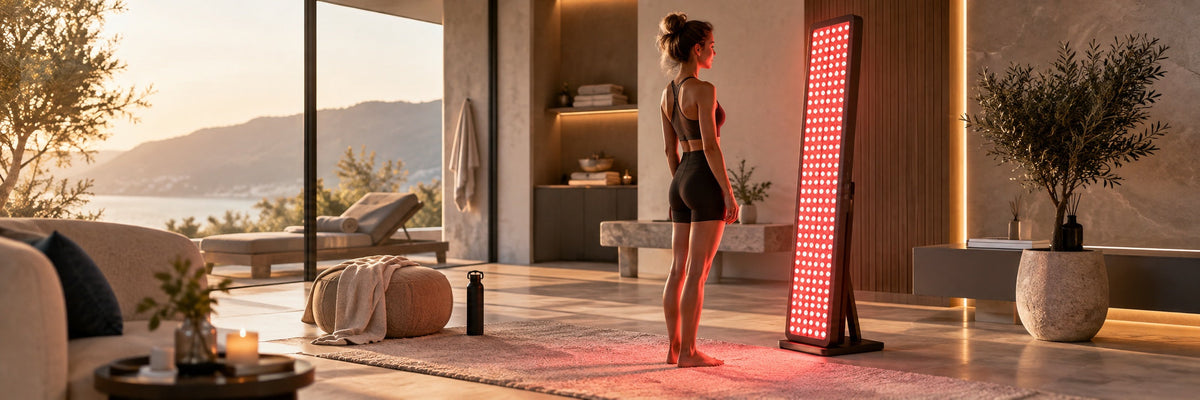
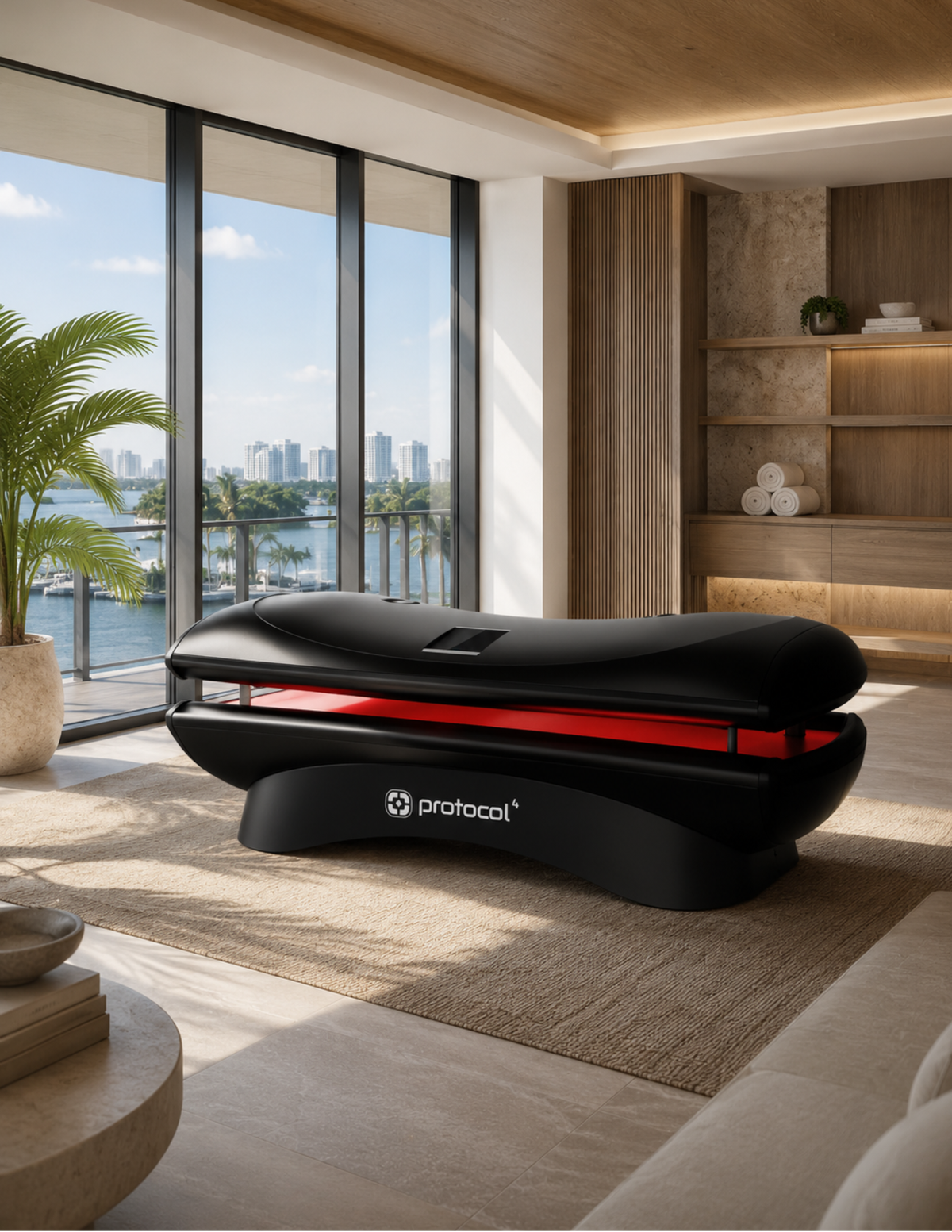
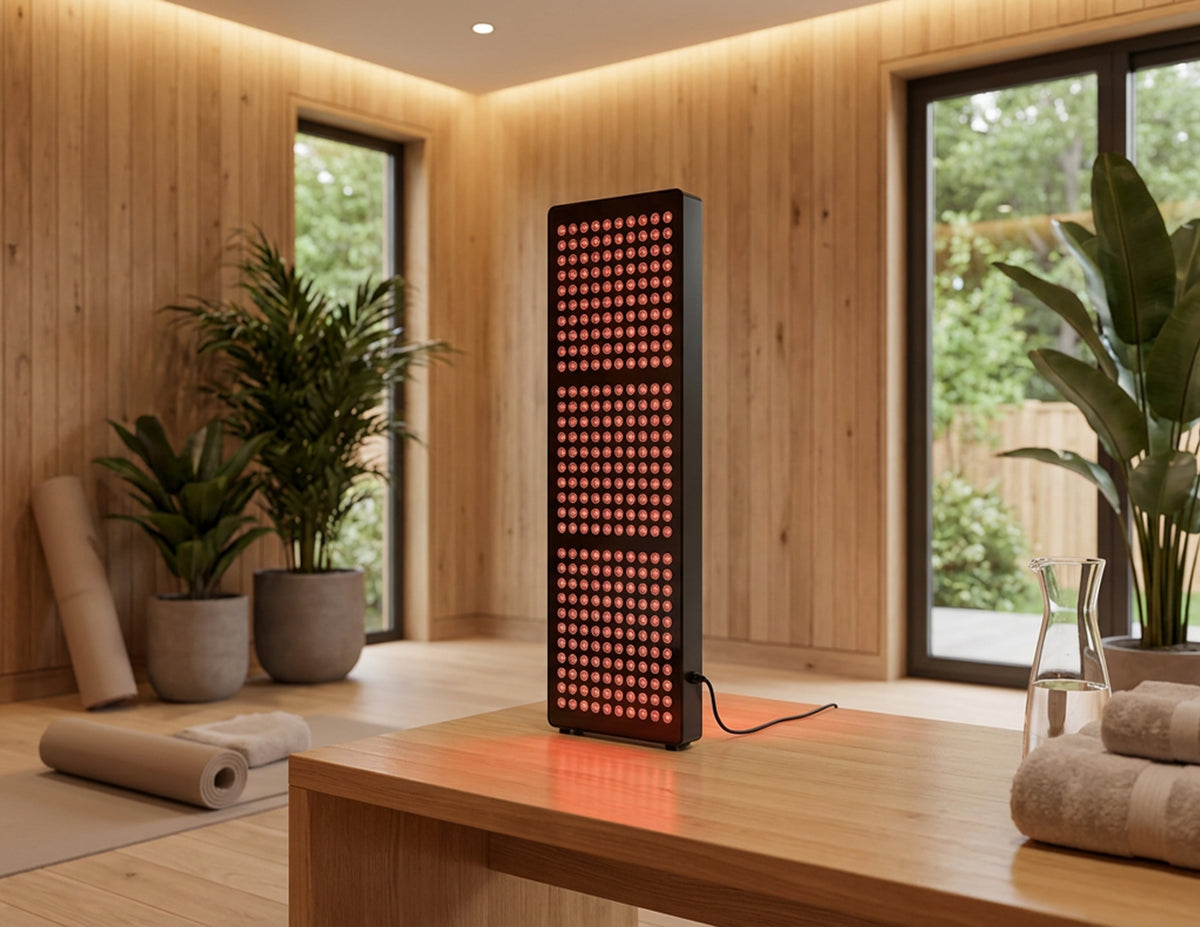
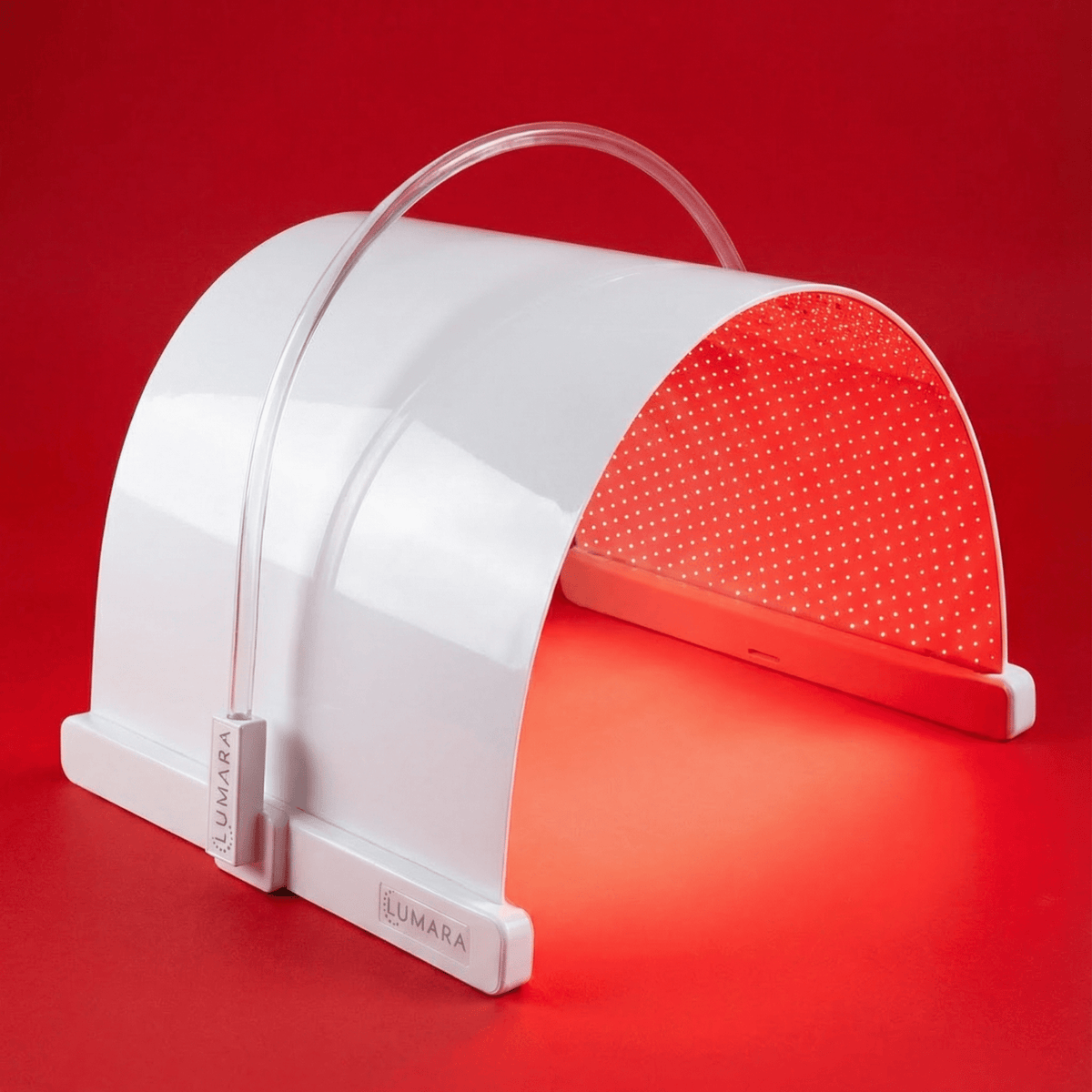
Photobiomodulation uses specific wavelengths of red and near-infrared light. Research varies considerably by wavelength, dose, treatment area and application; localized photobiomodulation has been studied more extensively than whole-body systems.
Whole-Body Vibration
Vibration platforms create rapid mechanical oscillations while the user stands or performs selected movements. Research in older adults suggests possible benefits for certain balance, gait and strength measures, although protocols vary and conventional exercise remains fundamental.
PEMF & Emerging Recovery Technologies
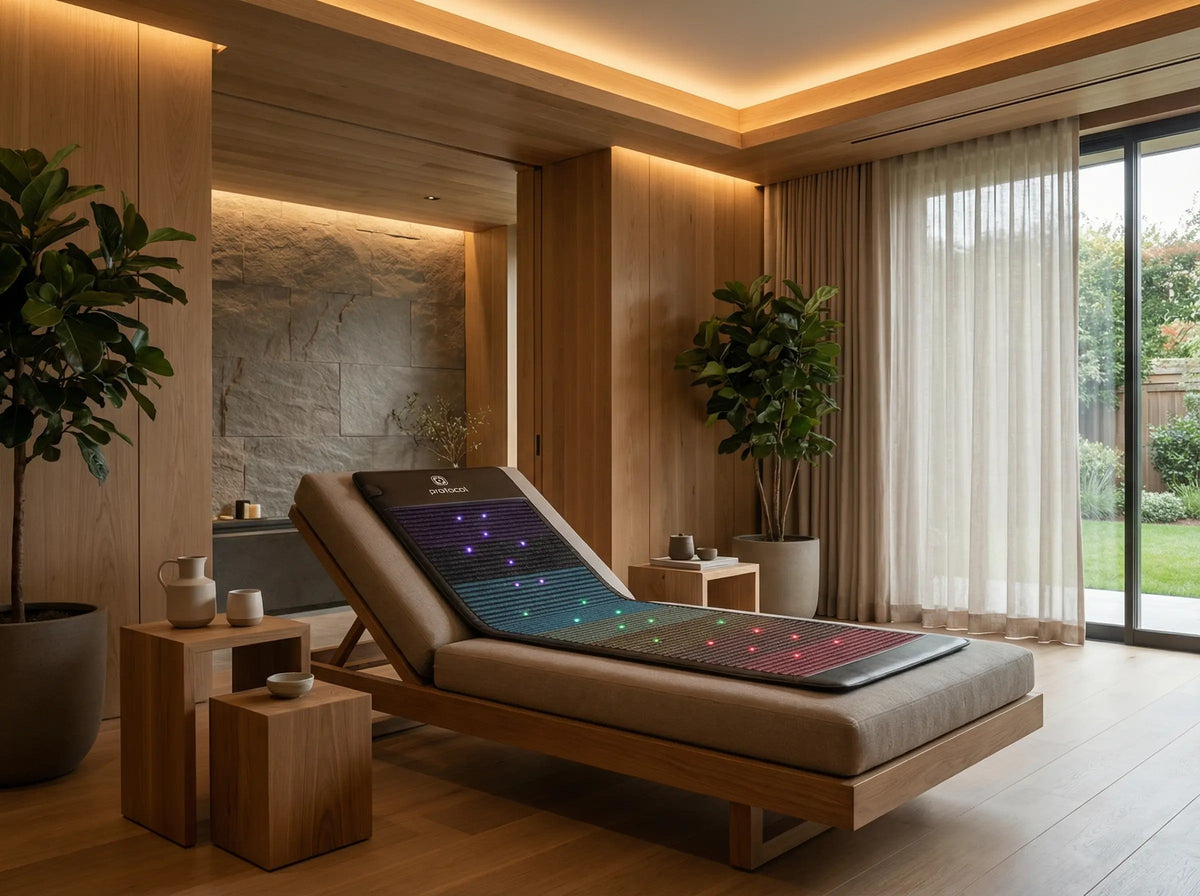
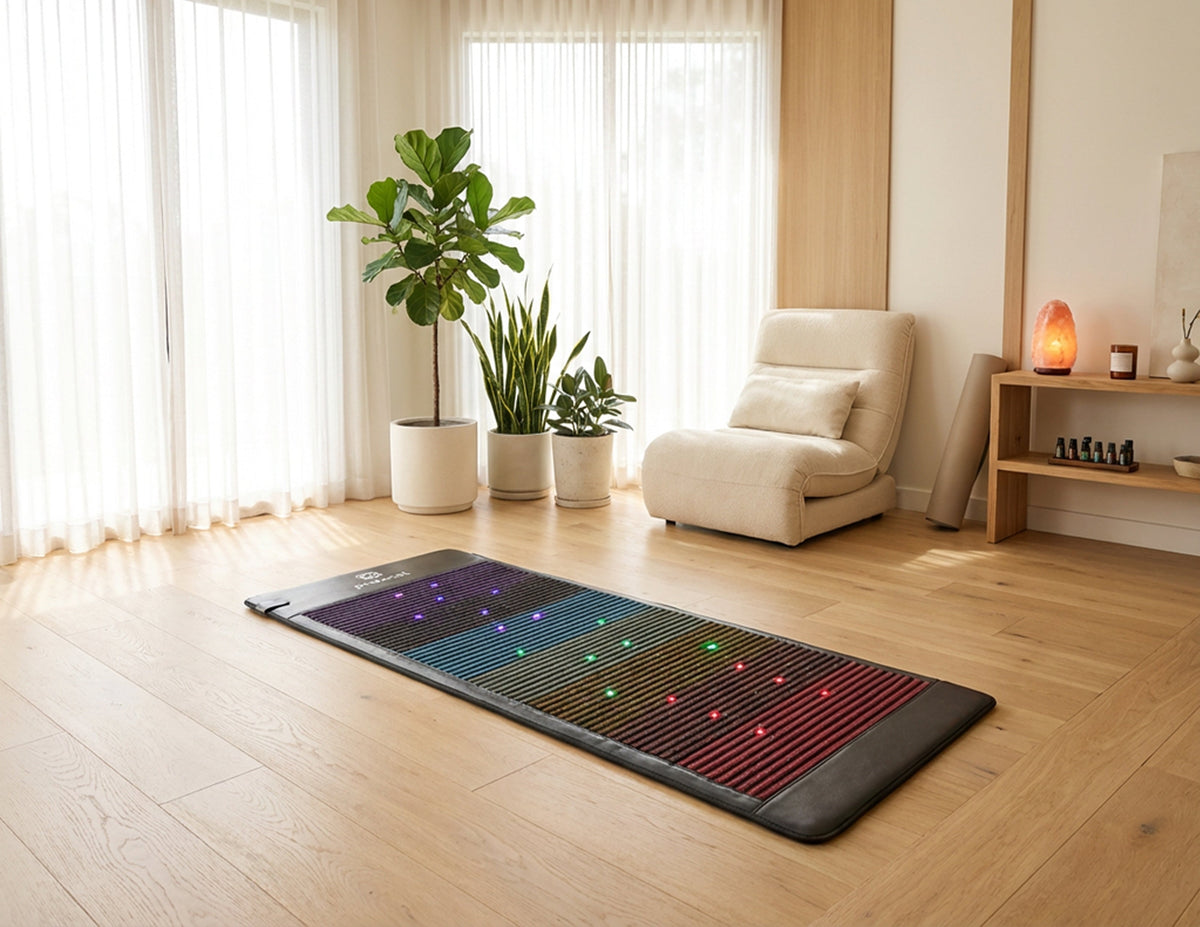
Pulsed electromagnetic field devices and multi-modality mats span a wide range of designs and claims. We recommend paying particular attention to manufacturer transparency, intended use, safety information and evidence for the specific device rather than assuming every product marketed as PEMF is equivalent.
How to Choose Recovery Equipment
1. Start with your actual goal
Are you building a post-workout routine, looking for a relaxing passive modality, supporting mobility training or creating a comprehensive home wellness room? Buy for the use case rather than the novelty.
2. For red light, look beyond wattage
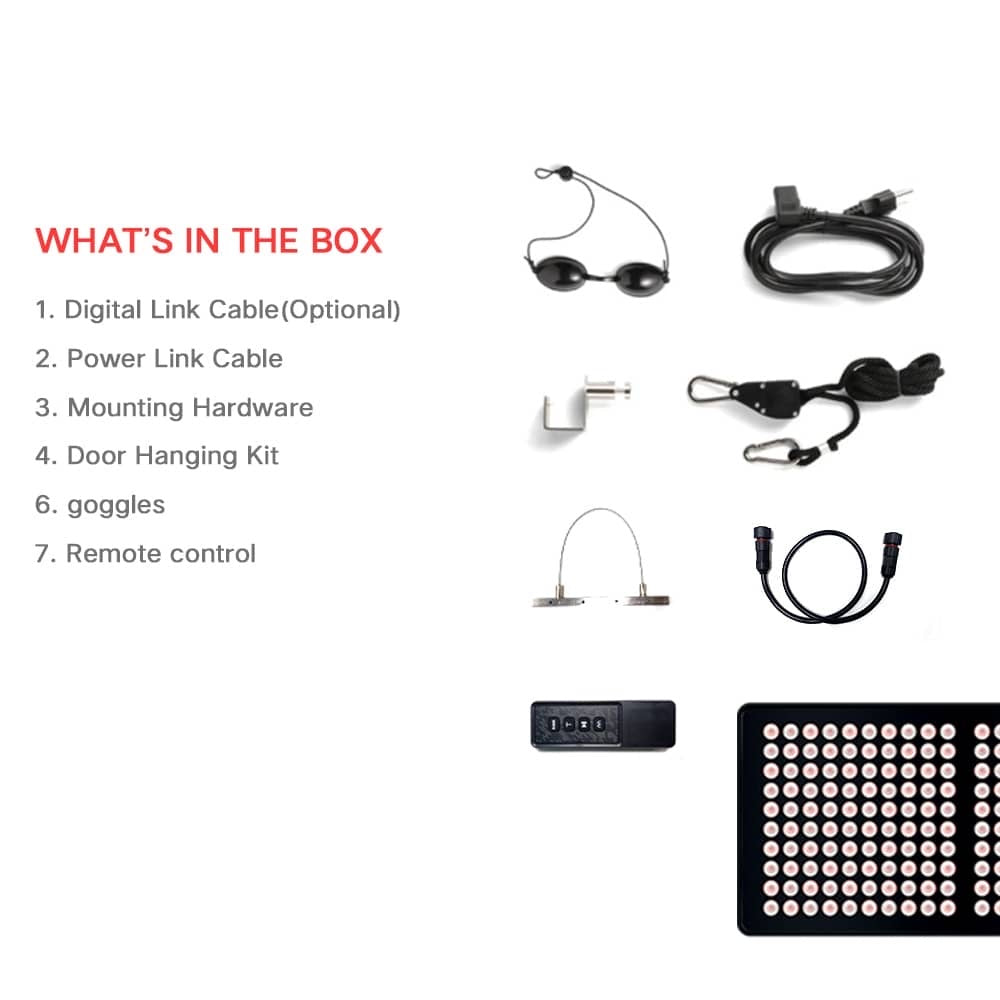
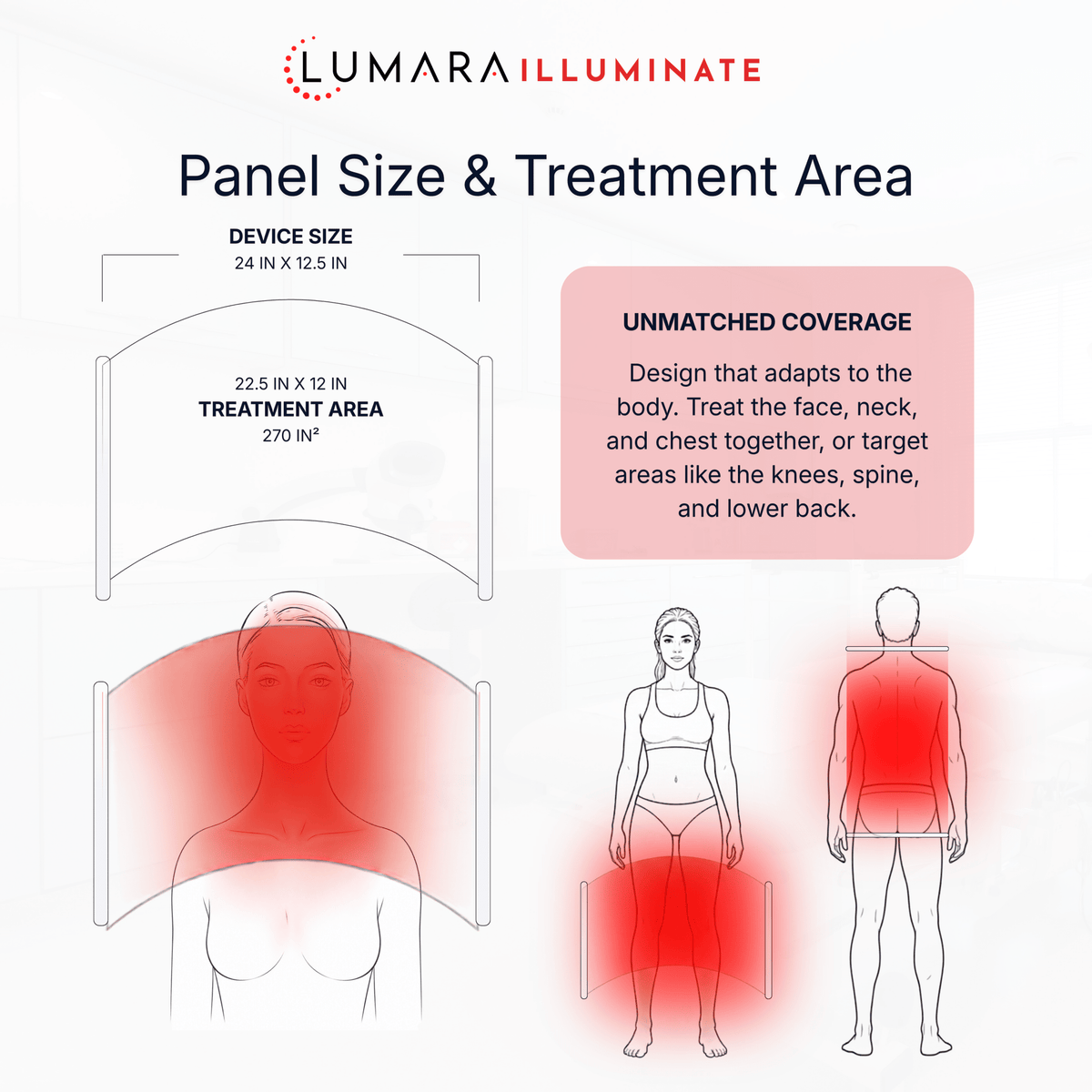
Panel dimensions, wavelength mix, irradiance at realistic treatment distances, coverage and dosing guidance are more useful than raw electrical power.
3. For vibration, prioritize stability and control
Platform dimensions, frequency ranges, amplitude, user weight limits and hand support can all influence usability.
4. Consider how often you’ll realistically use it
A product that lives permanently in a convenient location often provides more value than a complicated device that must be assembled for every session.
5. Look for understandable specifications
Premium wellness equipment should come with more than dramatic benefit claims. Strong manufacturers publish clear technical details and meaningful instructions.
6. Check contraindications
Recovery technologies are not appropriate for everyone. Review manufacturer warnings and speak with a healthcare professional when a medical condition, implanted device, pregnancy or injury could affect suitability.
A Science-Informed Approach to Recovery Technology
This is one of the fastest-evolving areas of wellness—and one where responsible interpretation matters.
For photobiomodulation, some research has found benefits from localized red/near-infrared applications under particular protocols, while a recent review of whole-body photobiomodulation found insufficient evidence for exercise-performance or recovery benefits.
Likewise, whole-body vibration has evidence for certain functional outcomes in older adults but should be viewed as a complement to—not a replacement for—traditional exercise.
Our goal is to make promising technology easier to understand without turning emerging science into exaggerated promises.
Recovery Tool FAQs
What does “red light therapy” mean?
It generally refers to photobiomodulation using red and/or near-infrared wavelengths. Different devices can deliver very different wavelengths and doses.
Should I buy a targeted or full-body red light system?
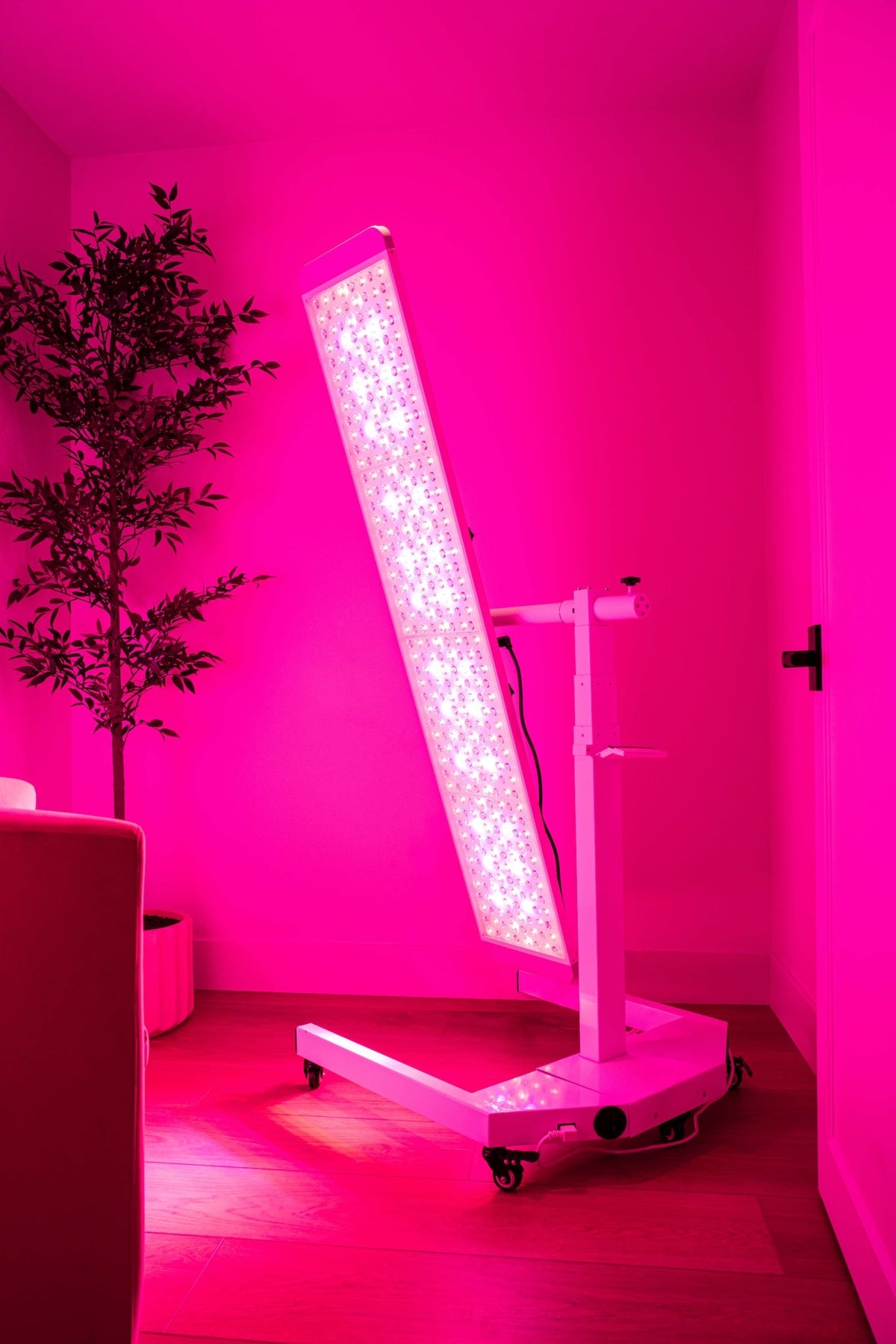
Targeted systems take less space and focus on a smaller area. Larger panels provide broader coverage and may be more convenient for whole-body routines.
What should I look for in a vibration platform?
A stable platform, clearly stated frequency/amplitude ranges, suitable weight capacity, usable controls and manufacturer safety guidance.
Are PEMF mats the same as red light therapy?
No. They use different forms of energy and should be evaluated independently, even when combined in one product.
Do recovery devices replace exercise or physical therapy?
No. They are best considered supplementary tools within a broader movement, recovery or wellness plan.
Not Sure Which Technology Fits?
Tell us what you’re trying to accomplish and the space you have available. We can help simplify the comparison.