
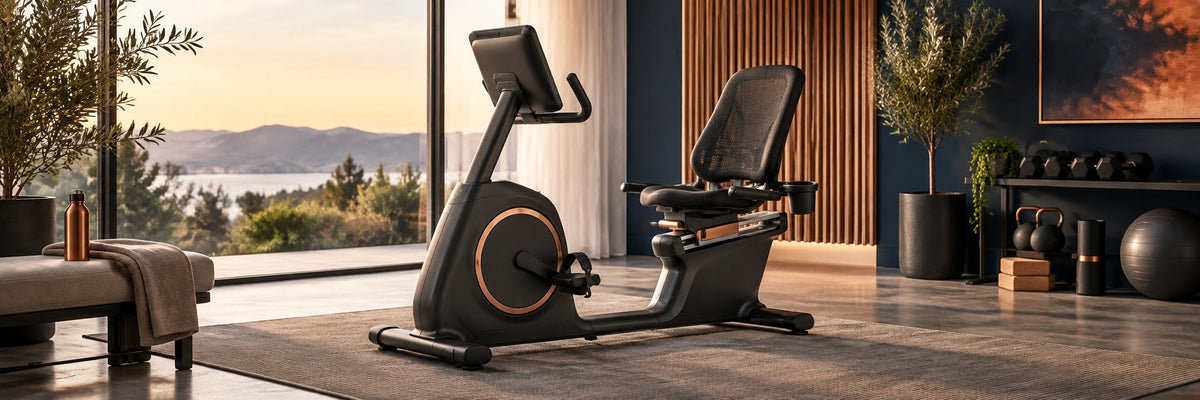
Strength, Cardio & Mobility
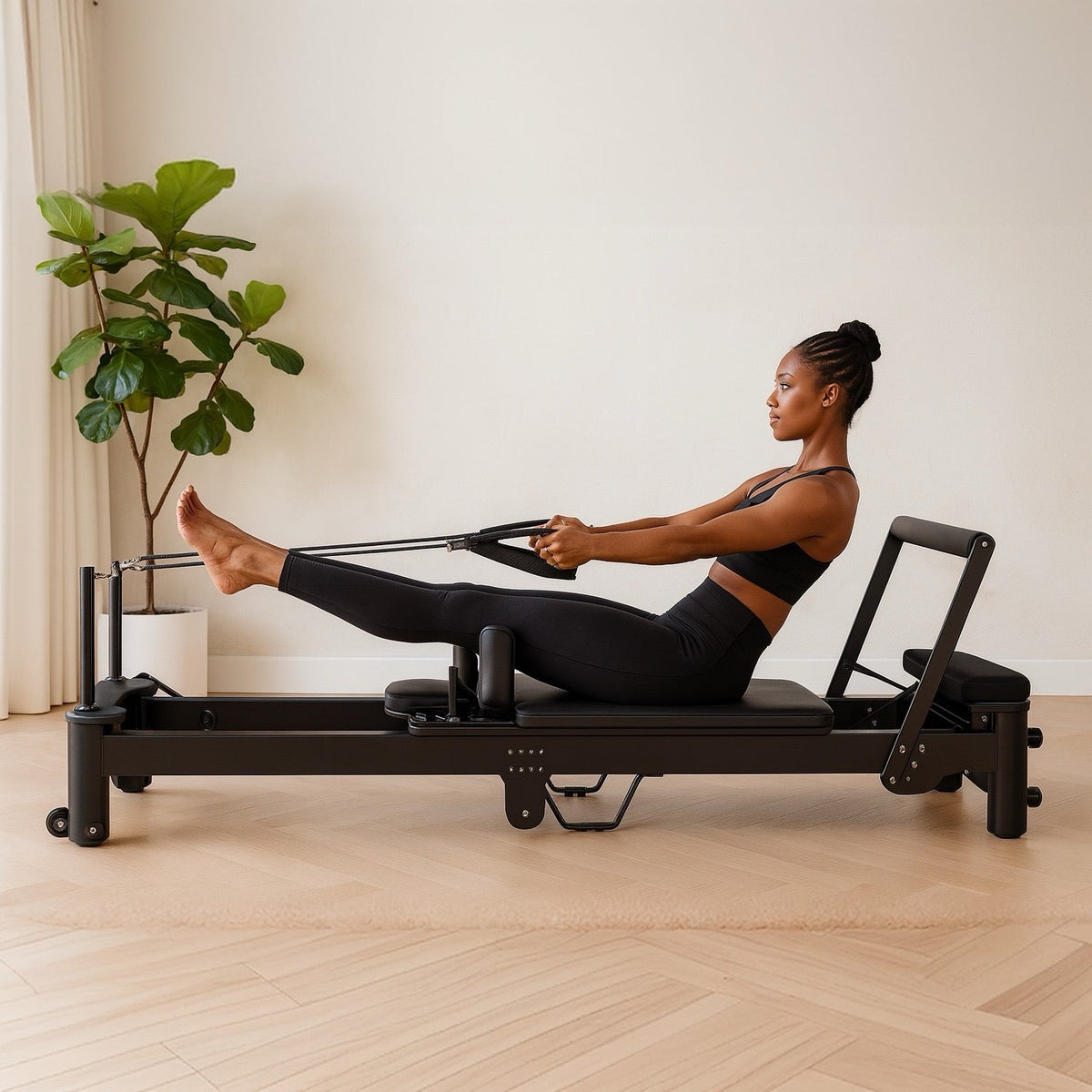

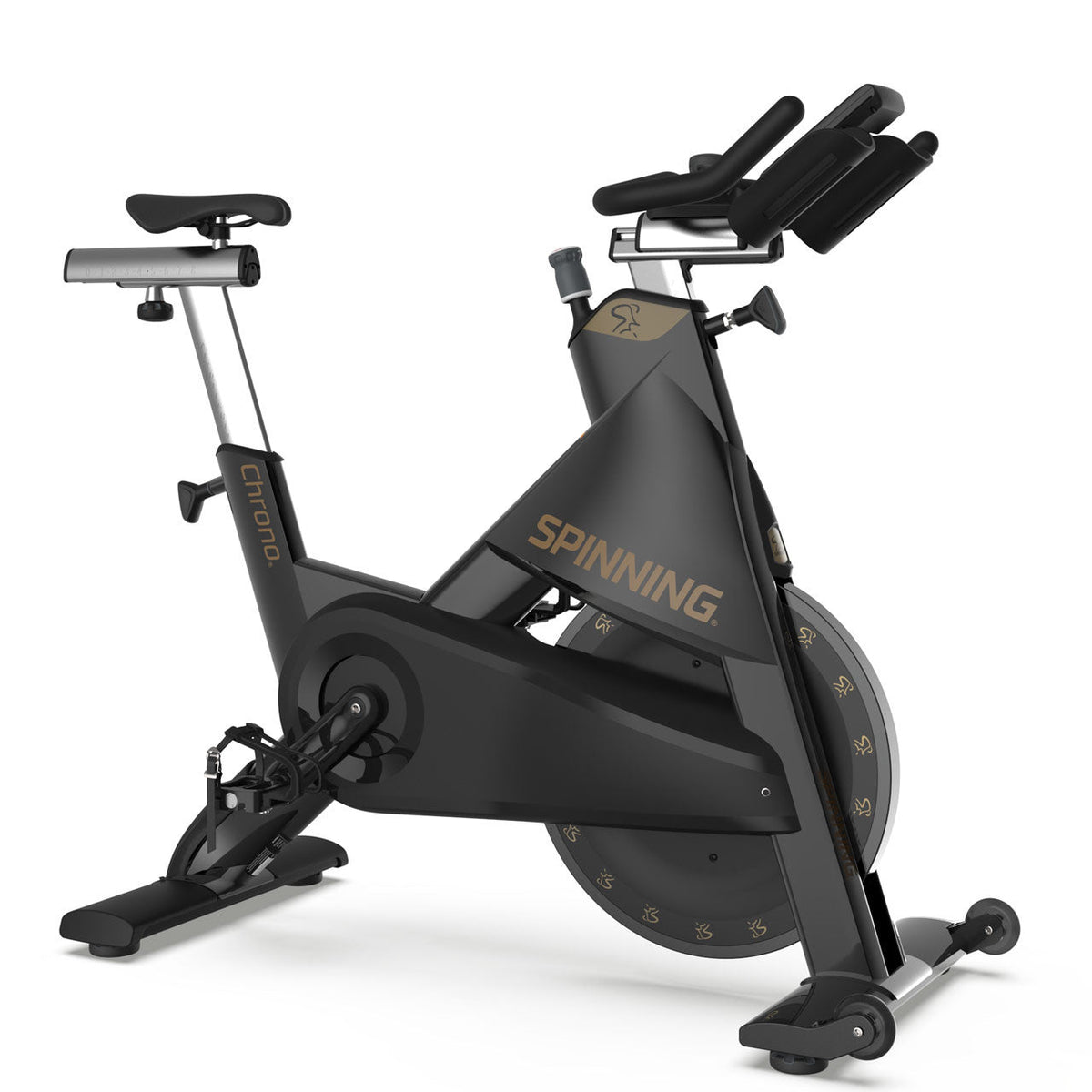
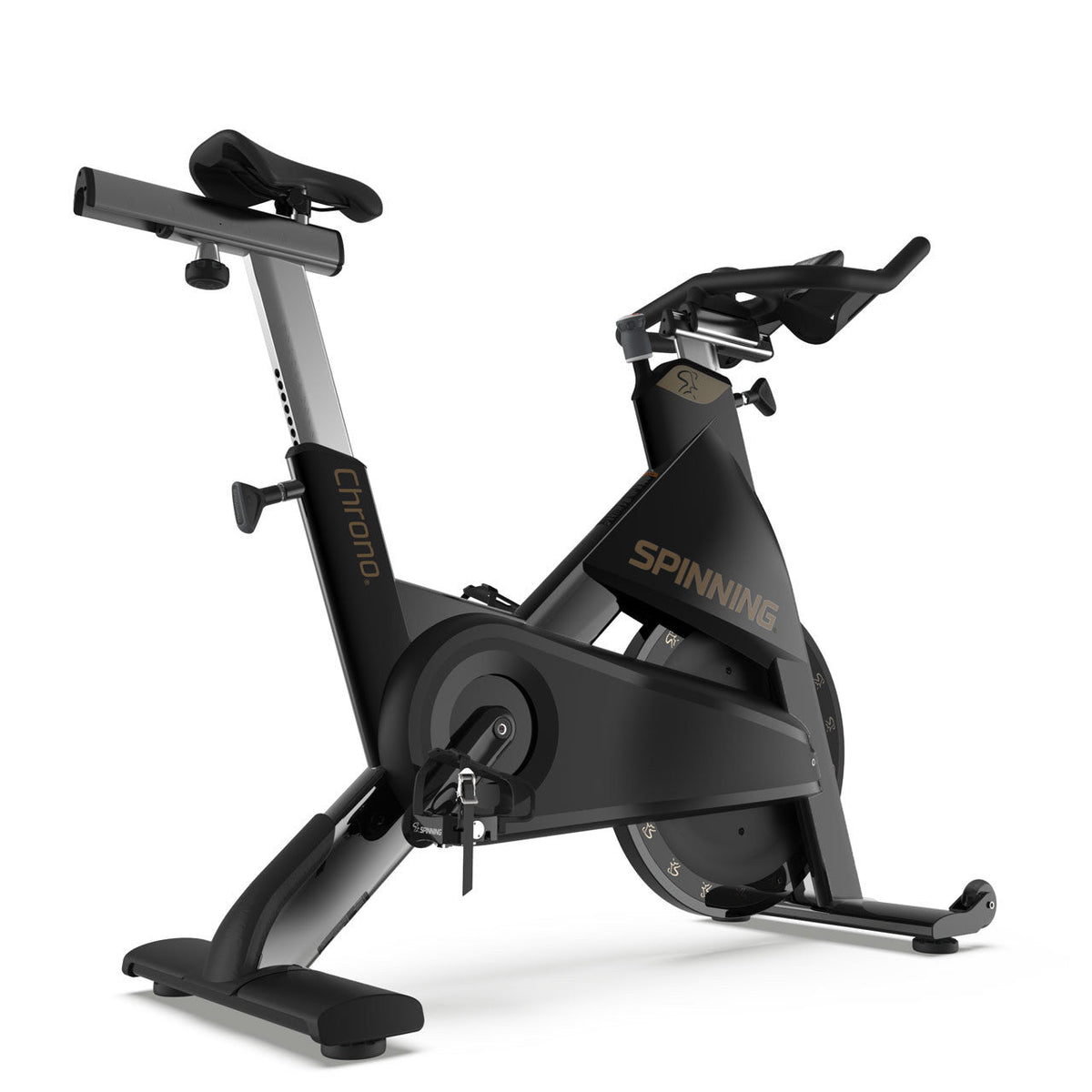
Read more
Fitness Equipment Designed for a Lifetime of Movement
Fitness is not only about performance. It’s also about preserving the ability to move confidently, stay strong and keep doing the things you enjoy.
Our home fitness collection brings together premium cardio and strength equipment with an emphasis on comfortable movement, adjustability and long-term usability. Explore recumbent bikes, ellipticals, treadmills, functional trainers, Smith machines and complete home-gym systems for a wide range of ages and abilities.
Build Fitness Around the Way You Move
Low-Impact Cardio
Recumbent bikes and ellipticals can provide challenging cardiovascular exercise while reducing some of the impact associated with running. Comfortable entry, supportive positioning and adjustability can make consistency easier.
Strength for Everyday Life
Strength equipment is about more than lifting heavier weights. Maintaining muscular strength supports everyday physical function and is an important component of healthy aging.
A Gym That Meets You Where You Are
Home equipment removes commute and scheduling barriers and allows you to choose machines suited to your preferred movement patterns, physical needs and available space.
How to Choose Home Fitness Equipment
1. Start with your movement goals
Cardiovascular conditioning, leg strength, total-body resistance training and general mobility may call for very different equipment.
2. Consider access and entry
For buyers prioritizing mobility, step-through recumbent frames, lower step-up heights, stable handles and easy seat adjustments can be more important than flashy display features.
3. Evaluate ergonomics
Seat position, pedal spacing, handle placement, stride length and resistance controls should suit your body and movement.
4. Prioritize adjustability
A machine that accommodates multiple users or changing ability levels provides greater long-term value.
5. Measure operating space
Account for the equipment’s full range of motion, walking clearance, ceiling height and access for delivery—not merely the published footprint.
6. Understand resistance and training range
For strength systems, look at available resistance, cable ratios, adjustment positions and exercise variety. For cardio, compare resistance levels, incline and programming.
7. Check stability and capacity
Premium fitness equipment should feel secure. Product weight, frame construction and maximum user capacity are useful comparison points.
8. Plan delivery and assembly
Many high-end machines are heavy and arrive in large cartons. Measure doors and stairs and consider professional assembly where appropriate.
Movement Is Foundational to Healthy Aging
Unlike many wellness trends, the importance of regular physical activity is not speculative. Public-health guidance emphasizes aerobic activity, muscle strengthening and—particularly for older adults—activities that support balance and functional ability.
That is the foundation of the Mobility Wellness philosophy: advanced recovery technology can be useful, but movement remains central.
For customers who are older, returning to activity or managing limitations, the best equipment is not necessarily the hardest machine. It is often the one that makes appropriate, consistent exercise feel safer, more comfortable and easier to sustain.
Fitness Equipment FAQs
Is a recumbent bike easier on the joints than an upright bike?
The supported seating position and different body geometry can feel more comfortable for many users, particularly those who prefer additional back support.
Which cardio machine is best for low-impact exercise?
Recumbent bikes and ellipticals are common choices. The best option depends on comfort, balance, mobility, conditioning goals and personal preference.
Should I choose a functional trainer or Smith machine?
Functional trainers emphasize cable-based movement variety. Smith systems guide a bar along a fixed path and are often paired with racks, benches or cable stations in all-in-one gyms.
How much room do I need for a home gym?
Measure both the equipment and the space required to use it safely. Include clearance around moving arms, cables, benches and weight plates.
Do I need commercial-grade equipment at home?
Not necessarily. Premium residential equipment can offer excellent durability. Commercial equipment becomes useful when you expect very high usage or need specific institutional-grade features.
Can you help me choose equipment for limited mobility?
Yes. We can help compare practical features such as entry height, seat adjustment, stability and access, although medical or rehabilitation recommendations should come from an appropriate healthcare professional.
Build a Gym You’ll Actually Use
Tell us your goals, available space and preferred types of exercise. We’ll help narrow the field to equipment that makes sense for your routine.